
Reducing Safety Risks Before They Start
Land clearing helps prevent future property hazards by removing dead trees, thick brush, unstable roots, and hidden debris before they cause damage. When land is left overgrown, it can invite fire risks, water problems, pest infestations, and even structural damage. By clearing and maintaining your property early, you lower the chance of costly repairs and keep your space safer year-round.
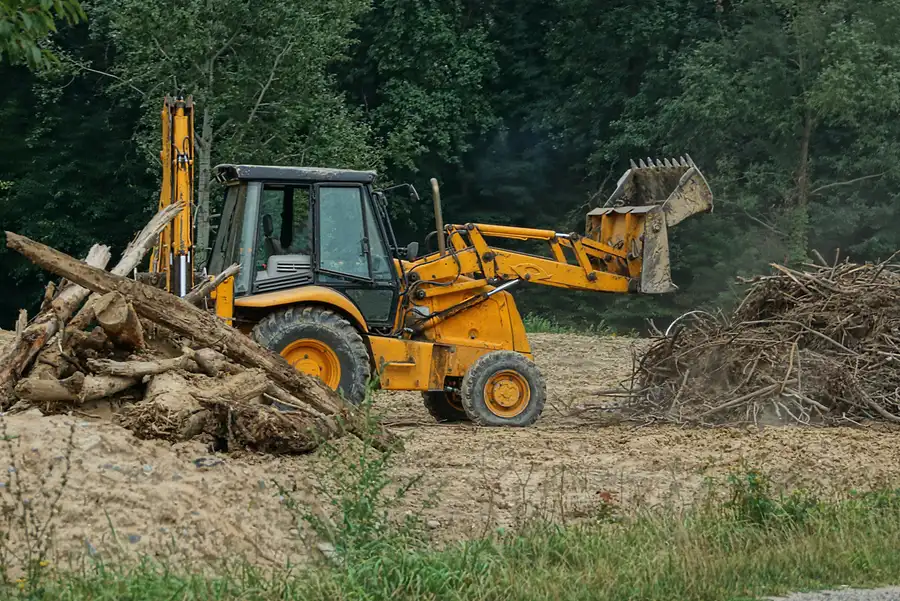
Why Prevention Matters
Hazards rarely happen without warning. They build up over time. Dead limbs weaken, roots spread under driveways, and heavy brush dries out in hot weather. What starts as a messy yard can turn into a fallen tree on your roof or a fast-moving brush fire.
Land clearing removes these risks before they grow into major problems. It also improves visibility across your property, so you can spot issues early. Prevention saves money, protects structures, and keeps people safe.
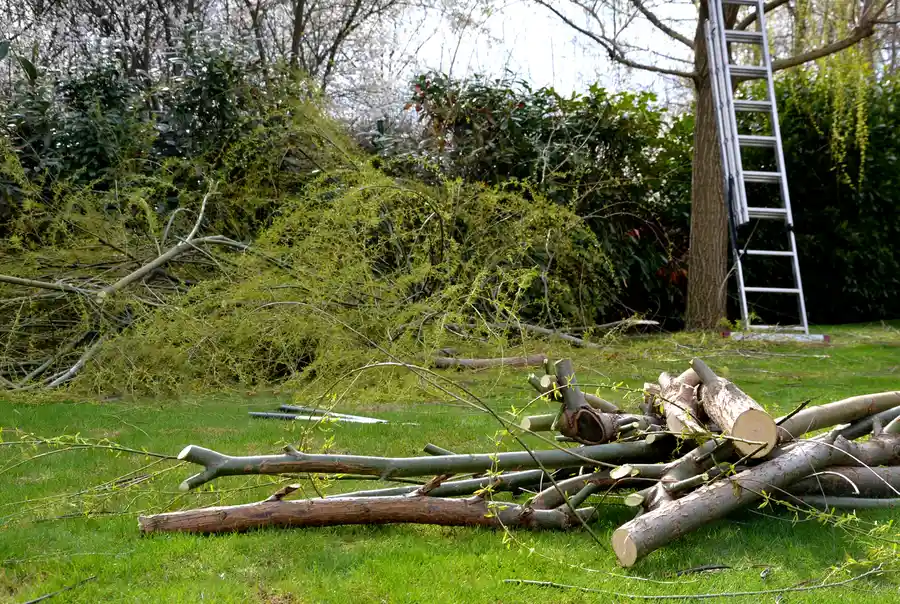
Early Warning Signs on Your Property
Many property owners miss small clues that trouble is building. Watch for these signs:
- Dead or leaning trees
- Thick brush close to your home or barn
- Overgrown fence lines
- Water pooling after heavy rain
- Vines growing on siding or roofing
- Rodent or pest activity in wooded areas
If you notice one or more of these, it may be time to clear problem areas. Acting early is far easier than dealing with storm damage or foundation issues later.
Seasonal and Routine Checklist
Regular property maintenance keeps hazards from building up. Use this simple checklist throughout the year:
- Trim back branches hanging over structures
- Remove fallen limbs and dead trees
- Clear brush at least 30 feet from buildings in fire-prone areas
- Check drainage paths for blockages
- Remove stumps that attract insects
- Keep fence lines and access roads clear
After storms, always inspect your property. High winds can weaken trees that still appear upright. Clearing unstable growth reduces the chance of sudden collapse later.
Best Practices for Long-Term Results
Land clearing works best when it is planned, not rushed. Instead of removing everything at once without direction, focus on high-risk areas first. Start near homes, garages, barns, and driveways. Then move outward.
Keep healthy trees that are well spaced and stable. Removing crowded growth allows stronger trees to thrive. This improves air flow and sunlight, which reduces mold and rot.
Good grading also plays a role. When brush and debris are removed, land can be shaped to guide water away from structures. That lowers the risk of erosion and foundation cracks.
Finally, schedule periodic maintenance. Properties change with each season. A one-time clearing helps, but staying consistent provides lasting protection.
What Not to Do
Some property owners try to cut corners. This often creates new hazards instead of fixing old ones.
- Do not leave large root systems behind near foundations.
- Do not pile brush too close to buildings.
- Do not ignore drainage patterns after removing trees.
- Do not attempt large tree removal without proper equipment.
Poor clearing practices can damage underground utilities or create unstable soil. It is also risky to handle heavy equipment without training. Safety should always come first.
When to Schedule Professional Help
Some clearing tasks are simple. Others require skilled operators and specialized machinery. You should consider professional help if:
- Trees are large or close to structures
- Land is uneven or heavily wooded
- There are signs of erosion
- You need multiple acres cleared
- Local regulations apply to tree removal
Experienced crews can remove hazards while protecting valuable parts of your property. They also know how to manage debris and stabilize soil after clearing.
Protect Your Property for the Future
Preventing hazards is easier and less expensive than repairing damage. At Francisco's Tree Service, we help property owners reduce risks through careful land clearing and ongoing maintenance planning. Our team works throughout Kerrville, TX, handling projects safely and efficiently with the right equipment. If you want to make your property safer and avoid future problems, call us at (830) 216-6943 to schedule a consultation.