
How Regular Trimming Helps Stop Infections Before They Take Over
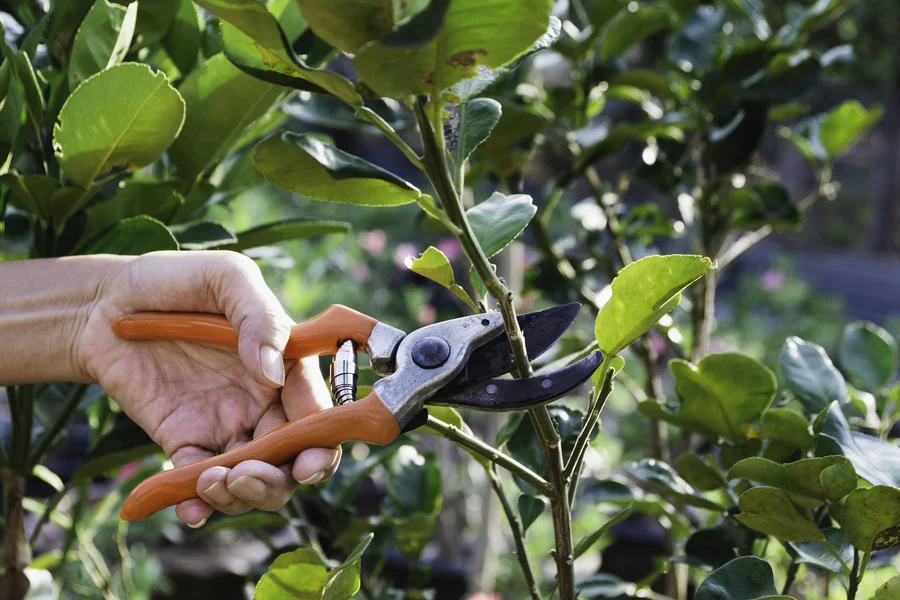
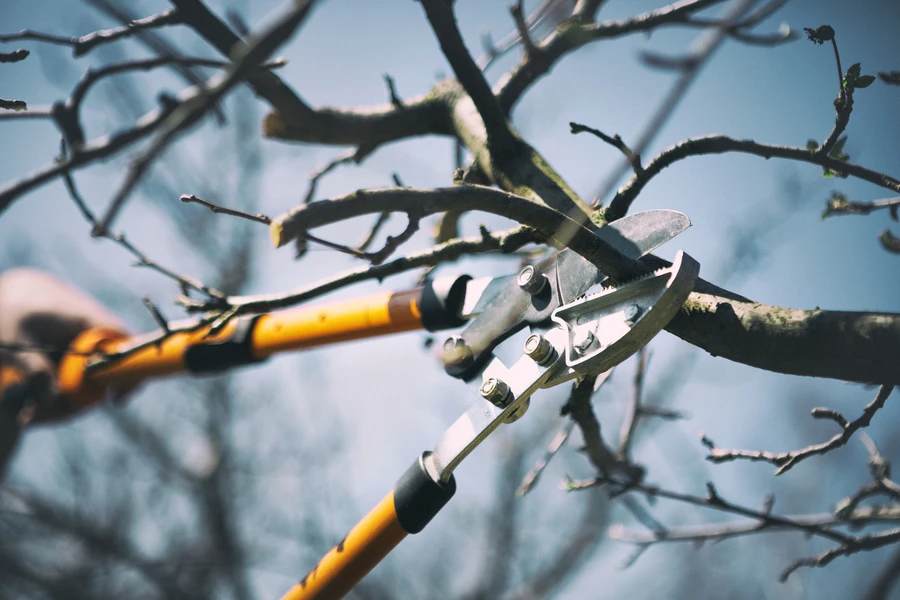
Tree pruning plays a big part in stopping disease from spreading. When you remove weak, dead, or infected branches, you cut off the areas where fungi, bacteria, and pests grow. This helps protect the rest of the tree and even nearby trees. Regular trimming also improves airflow and sunlight, which keeps moisture from building up. Less moisture means fewer chances for disease to thrive.
Why Prevention Matters
Tree diseases often start small. A tiny crack in the bark or a broken limb can let infection in. If nothing is done, it can spread through the whole tree. In close neighborhoods, disease can move from one tree to another.
Preventive care keeps trees strong. Healthy trees can fight off many infections on their own. pruning removes stress points and helps trees grow evenly. When trees are well-shaped and balanced, they are less likely to suffer damage during storms. Less damage means fewer open wounds where disease can enter.
Early Warning Signs of Tree Disease
Spotting problems early makes a big difference. Keep an eye out for these signs:
- Discolored or spotted leaves
- Branches that die back suddenly
- Cracks or splits in the trunk
- Fungus growing at the base
- Sticky or oozing sap
If you see one or more of these signs, pruning may help stop the spread. Acting fast can save a tree that might otherwise decline quickly.
Seasonal Pruning Checklist
Routine care during the year lowers disease risk. Many Tree Pruning Services follow a seasonal plan to keep trees in shape.
- Late Winter: Remove dead or weak limbs before spring growth starts.
- Spring: Light trimming to shape the tree and remove damaged branches.
- Summer: Check for storm damage and signs of infection.
- Fall: Clear away broken limbs and thin crowded areas.
Not all trees should be pruned at the same time. Some species do better with winter trimming, while others prefer late summer. A steady schedule reduces stress and keeps disease from getting a foothold.
Best Practices for Long-Term Results
Good pruning is more than cutting random branches. Each cut should support healthy growth. Clean tools are very important. Dirty tools can carry disease from one tree to another.
Make clean cuts just outside the branch collar. This helps the tree seal the wound faster. Avoid cutting too close to the trunk, which can cause decay. Also, avoid leaving long stubs, as they often rot and attract pests.
Professional Tree Pruning Services use proper tools and methods to protect trees. They also know how much to remove. Taking off too many branches at once can shock a tree and weaken its natural defenses.
What Not to Do
Poor pruning can actually spread disease instead of stopping it. Here are common mistakes:
- Using dull or dirty tools
- Pruning during wet weather when fungus spreads easily
- Removing too much of the canopy at one time
- Ignoring small signs of infection
Topping trees is another harmful practice. It leaves large wounds and forces weak, fast growth. These new shoots are more likely to break and become infected. Careful trimming is always better than harsh cuts.
When to Schedule Professional Help
Some disease problems require expert care. If a large branch is infected, or if the trunk shows signs of decay, it is time to call trained specialists. Large trees can be risky to prune without the right equipment.
Tree Pruning Services are also helpful when multiple trees show signs of illness. A trained crew can inspect the entire property and create a plan to reduce risk. They can spot early issues that may not be clear to an untrained eye.
Protect Your Trees Before Problems Grow
If you live in Kerrville, TX, regular maintenance can help your trees stay strong year after year. At Francisco's Tree Service, we provide careful pruning that supports healthy growth and limits disease spread. Call us at (830) 216-6943 to schedule professional tree pruning services and let us help protect your landscape for the long term.